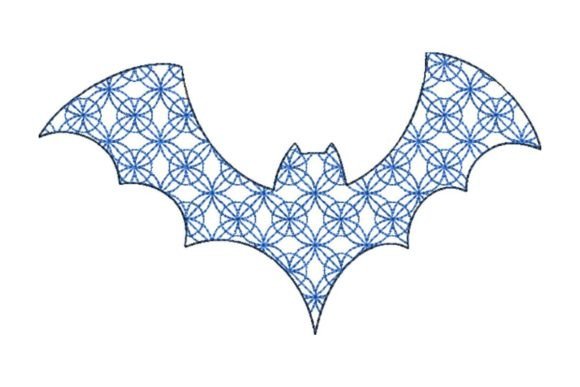
Japanese Sashiko Shape Bat
A Quiet Elegance for Handmade Projects
The Japanese Sashiko Shape Bat is a design that speaks softly but carries a strong visual presence. Its bat shape, rooted in the traditional Japanese Sashiko style, brings a sense of calm and cultural depth to any embroidery project. The running stitch pattern is clean, deliberate, and offers a subtle yet striking contrast against most fabrics. As an experienced designer, I find this design particularly appealing for those who value simplicity with meaning.
First Impressions: Mood and Visual Personality
Upon first glance, the Japanese Sashiko Shape Bat evokes a sense of quiet strength and tradition. The bat, a symbol of good fortune in many cultures, is rendered with a minimalist approach that respects its heritage while making it accessible for modern use. The running stitch technique gives the design a handcrafted feel, which aligns well with both handmade and small business applications.
This design feels like it belongs on items that require a touch of cultural flair without overwhelming the viewer. It’s not loud, but it’s not shy either. It works best when paired with neutral or earthy tones, allowing the texture and detail of the stitching to take center stage.
Real-World Use Cases: Where This Design Fits Best
When considering practical applications, the Japanese Sashiko Shape Bat shines in projects where subtlety meets sophistication. It’s ideal for custom apparel like sweatshirt embroidery, tote bag design, and personalized gifts. A small embroidered patch featuring this design could serve as a meaningful accessory for a craft business or Etsy seller looking to offer unique, culturally inspired products.
For baby embroidery or nursery decor, the design’s calming presence makes it a perfect choice. It adds a touch of warmth and tradition without being too bold. Similarly, it can be incorporated into holiday embroidery or wedding gifts as a subtle, thoughtful addition.
However, it’s worth noting that the design’s simplicity may not be suitable for high-impact or highly detailed projects. It’s more of a decorative accent than a central feature. That said, it has a lot of versatility when used in the right context.
Design Performance: What to Watch For
While the Japanese Sashiko Shape Bat is visually appealing, there are some considerations to keep in mind when using it in real-life embroidery situations. First, the running stitch pattern can be sensitive to fabric type and hoop size. On thin or stretchy fabric, the design may distort or lose clarity, so it’s important to test it on scrap fabric before committing to a final product.
Additionally, the design’s stitch density and thread color contrast play a significant role in its appearance. A light-colored thread on a dark fabric may not show up clearly, while a darker thread on a light background can create a strong visual impact. Testing the design in black and white mockups is a great way to assess how it will look on different fabric types.
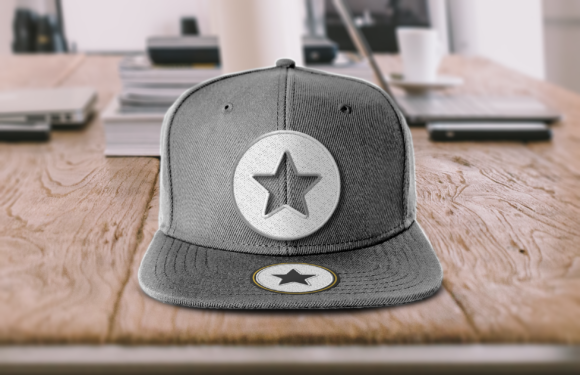
Another consideration is the texture of the fabric. The Japanese Sashiko Shape Bat works best on smooth, flat surfaces. Using it on curved items like caps or aprons requires careful placement to avoid distortion. For layered garments, ensure that the design is placed correctly to maintain clarity and prevent overlapping stitches.
Impact on Product Value and Customer Trust
From a business perspective, the Japanese Sashiko Shape Bat can enhance the perceived value of your handmade products. Its cultural roots and minimalist aesthetic appeal to customers who appreciate authenticity and craftsmanship. When used thoughtfully, it can elevate a simple item into something memorable and meaningful.
However, consistency is key. If you’re selling digital embroidery files or printable mockups, ensure that the design maintains its integrity across different formats and platforms. Customers expect professionalism, and a well-executed design can build trust and encourage repeat business.
Practical Designer Notes
- Test on Scrap Fabric: Always test the design on scrap fabric before using it on a finished product.
- Check Thread Color Contrast: Ensure the thread color provides sufficient contrast against the chosen fabric.
- Review Stitch Density: Confirm that the stitch count is appropriate for the intended use and fabric type.
- Confirm Hoop Size: Choose a hoop size that allows the design to sit flat and evenly.
- Use Proper Stabilizer: Especially on delicate or textured fabrics, a stabilizer can help maintain design clarity.
- Test in Black and White Mockups: This helps identify potential visibility issues before finalizing.
- Compare Light and Dark Backgrounds: The design may appear differently depending on the fabric.
- Check Licensing Terms: If selling finished products or digital files, confirm the licensing terms for commercial use.
Final Thoughts: A Thoughtful Choice for Meaningful Projects
The Japanese Sashiko Shape Bat is a versatile and elegant design that offers a unique blend of tradition and modernity. It’s a great option for designers, crafters, and small business owners looking to add a touch of cultural depth to their projects. With careful consideration of fabric type, stitch density, and presentation, it can become a standout element in your custom apparel, handmade products, or digital design assets.
Ultimately, the success of this design lies in its ability to speak volumes without saying much. It’s a reminder that sometimes, the most powerful designs are the ones that quietly resonate with both the maker and the wearer.