Beautiful Colorful Ornate on Embroidery
First Impression: A Blend of Elegance and Playfulness
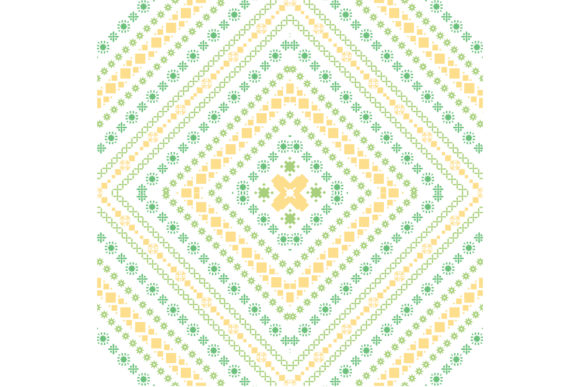
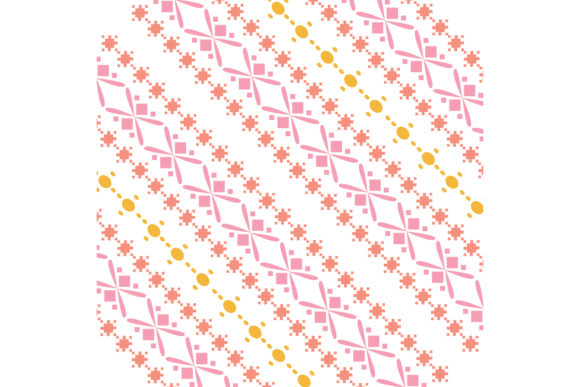
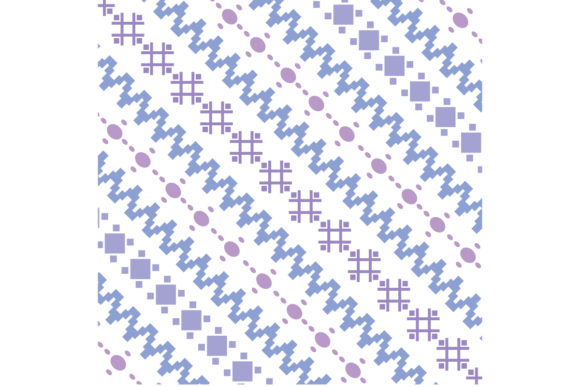
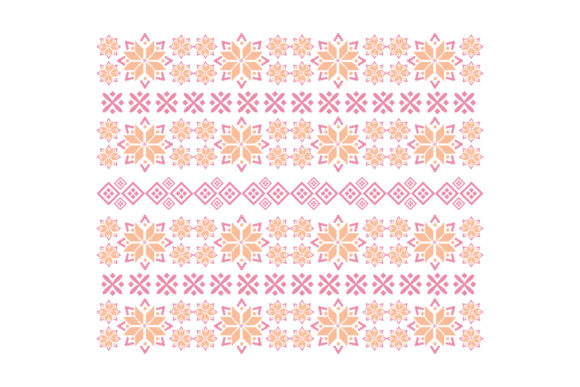
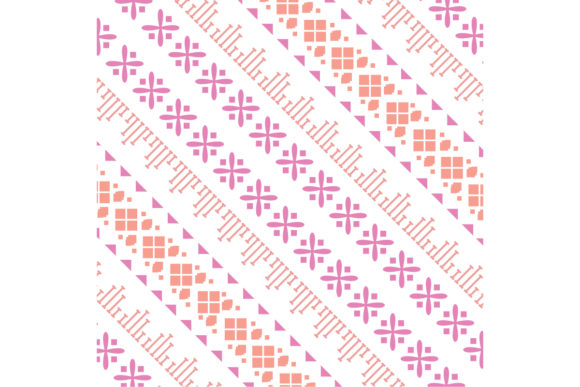
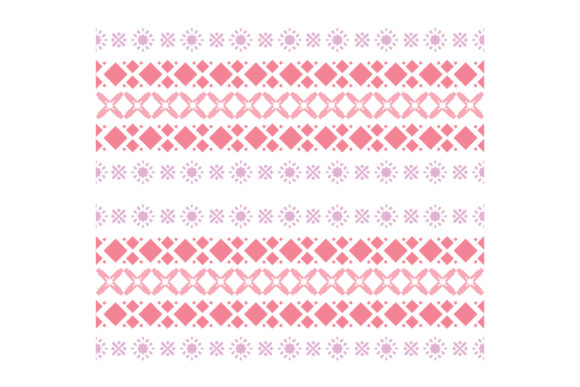
The Beautiful Colorful Ornate on Embroidery immediately catches the eye with its intricate detailing and vibrant color palette. It feels like a perfect balance between elegance and playfulness, making it versatile for both brand identity and custom apparel. The design carries a handmade product aesthetic that suggests care and attention to detail, which is essential for small business merch and branded patches.
Design Performance in Real Business Use
This embroidery file has the potential to be a valuable asset for a variety of small business merch applications. From embroidered patches to cap embroidery, tote bag design, and even apron embroidery, the ornate pattern can add a touch of sophistication or whimsy depending on how it's applied.
As an embroidered patch, the design holds up well due to its detailed outlines and rich colors. However, it's important to consider the stitch density and thread colors when using it on smaller items. The complexity of the design may require a larger hoop size, which could affect production time and cost.
For cap embroidery and chest logo accents, the design's visual impact is strong, but it should be tested at smaller scales. When used on curved surfaces, such as caps or aprons, the fabric texture might affect how the design appears. This means careful placement and testing are necessary to ensure the final finished product looks as intended.
In terms of product packaging accents and event merch, the Beautiful Colorful Ornate on Embroidery offers a unique way to enhance brand visibility. Its colorful nature makes it ideal for branded product add-ons, especially for businesses looking to stand out in a competitive market.
Where to Use Carefully
While the design is visually appealing, there are specific areas where it should be used with caution. For example, applying it to small patch sizes may result in a loss of detail, especially if the stitch density is too high. Similarly, using it on dark uniforms or fabrics with textured surfaces could reduce the visibility of the design.
Another consideration is the use of thread colors. The design’s vibrancy relies heavily on the contrast between the threads and the background fabric. Testing the design in black and white first can help identify any potential issues with clarity or legibility before moving to full-color embroidery.
Additionally, the design may require more stabilizer than simpler patterns due to its intricate details. Proper stabilization is crucial for maintaining the integrity of the design during the embroidery process, especially on delicate or stretchy fabrics.
Impact on Brand Identity and Customer Trust
The Beautiful Colorful Ornate on Embroidery can significantly influence brand identity and customer trust. Its decorative yet professional look can elevate the perceived value of your products, making them feel more premium and intentional. This is particularly beneficial for handmade brands and Etsy sellers who want to showcase their craftsmanship.
When used consistently across various design assets and commercial embroidery projects, the design helps build visual consistency, reinforcing brand recognition. Whether it's a tote bag design, work shirt, or customer gift, the ornate pattern adds a layer of personality and artistry that can differentiate your brand from competitors.
Moreover, the design’s handcrafted appearance aligns well with handmade product aesthetics, which many small businesses and crafters rely on to connect with their audience. This can foster a sense of authenticity and trust among customers, enhancing overall engagement.
Practical Notes for Embroidery Designers
Before proceeding with production, there are several practical steps to consider. First, test the design in black and white to ensure it works well at different scales and fabric types. Next, review the hoop size and stitch density to determine if adjustments are needed for optimal results.
It’s also important to check the thread color contrast and confirm that the design will be visible on the intended fabric. Using a printable mockup can help visualize how the design will appear on the final finished product.
Finally, make sure to confirm the commercial licensing before using the design for mass production. Always create a mockup for client approval and compare the design with other design assets to maintain a cohesive brand image.